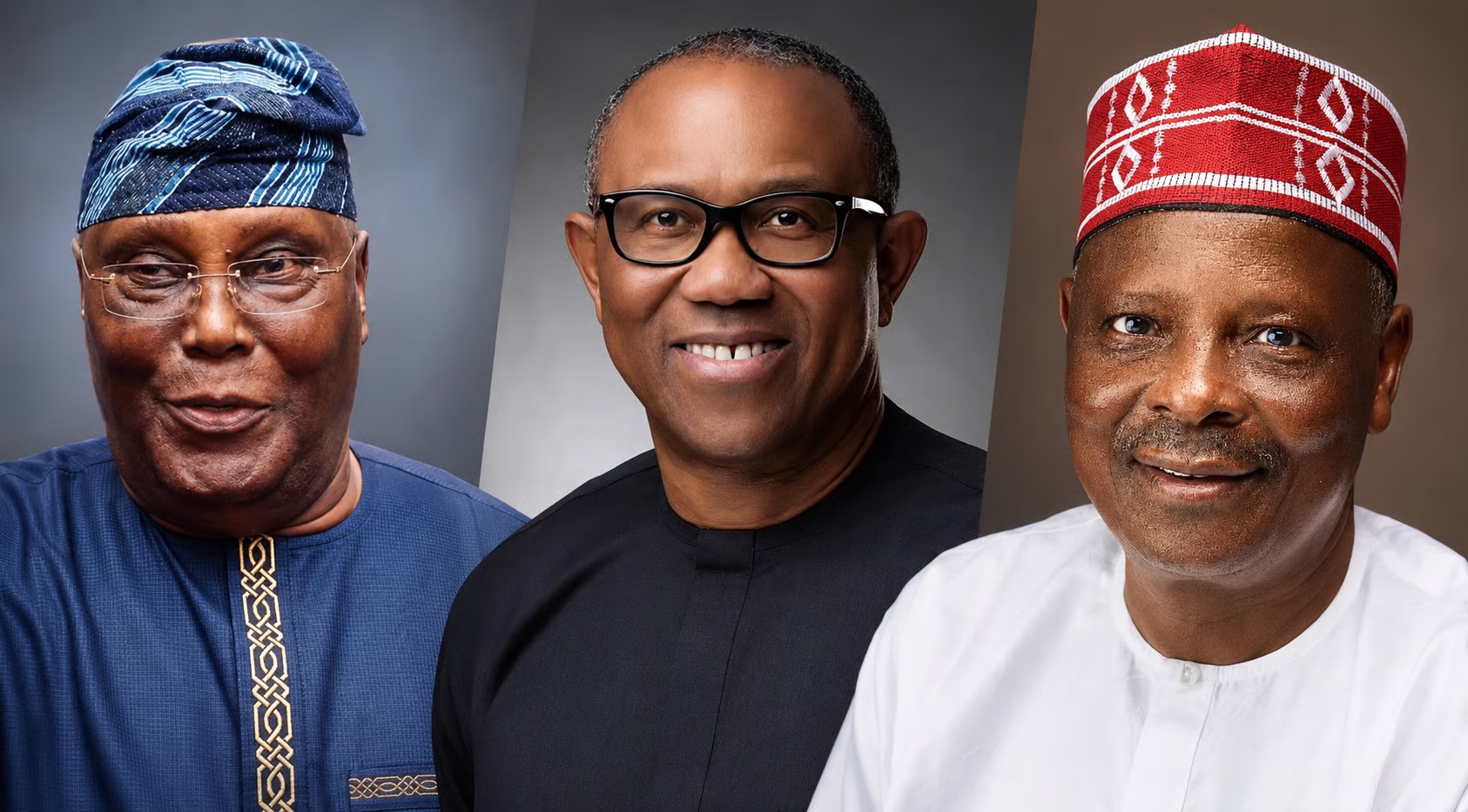
A single strand of broom may disturb the dust, but it cannot sweep a room clean. Its weakness lies in isolation. Bound together, however, ordinary strands become strong enough to do the job. Nigeria’s opposition should understand this familiar lesson, yet its politics too often suggests that every strand believes it can perform the work of the entire broom.
The metaphor carries an obvious irony: the broom is the symbol of the ruling All Progressives Congress. For its challengers, however, the lesson matters more than the party emblem. Political strength depends on organisation, shared purpose, compromise and the discipline to remain together when personal ambitions begin to pull in different directions.
Recent developments suggest that opposition leaders recognise the challenge. Following their August summit in Abuja, participating parties began putting together a leadership structure aimed at strengthening cooperation ahead of the 2027 general election. That is a useful beginning. But committees, meetings and declarations will mean little unless they produce clear agreements that political leaders, party members and voters can understand and trust.
The central difficulty remains the relationship between individual ambition and collective purpose. Presidential ambition is legitimate. Democracy requires people who are willing to offer themselves for leadership. But no alliance can function effectively when every participant considers cooperation acceptable only on the condition that everyone else supports his or her candidacy. Genuine negotiation requires compromise, including the willingness to accept that another person may eventually lead.
Opposition politics must also go beyond criticism of the government in power. Complaints about the cost of living, insecurity, unemployment, electricity, education and public services may attract public attention, but criticism alone does not establish governing credibility. Nigerians also deserve practical explanations of what an alternative government would do differently, how its programmes would be funded and what difficult choices it would be prepared to make.
A common programme should therefore come before the scramble for positions. Participating parties need clear and measurable commitments on security, employment, education, electricity, economic management and accountable government. They should also be honest about areas where they disagree. A realistic agreement built around a limited number of achievable priorities would offer voters more substance than a lengthy manifesto containing promises that coalition partners interpret differently.
Organisation is equally important. Television appearances, press conferences and social media enthusiasm cannot replace patient political work at the grassroots. A serious opposition needs dependable local organisers, trained polling agents, transparent fundraising mechanisms, functioning party structures and credible arrangements for resolving internal disputes. It must also remain present between elections, listening to communities whose concerns rarely feature in the arguments of national political figures.
At the same time, unity should not become an excuse for suppressing political choice. Nigeria does not necessarily need every opposition party to disappear into a single organisation. Cooperation can take different forms, including legislative coordination, joint advocacy for credible elections, policy collaboration and carefully negotiated electoral arrangements. The objective should be effective democratic competition while allowing genuine ideological and policy differences to remain visible.
Coalition advocates must also avoid assuming that voters belong to politicians. Political support cannot simply be transferred through an agreement signed by leaders in Abuja. Some supporters may reject a proposed partner, distrust a compromise candidate or disagree with the terms of an alliance. Political leaders therefore have to persuade their supporters through consultation, explanation and credible reasoning. Electoral arithmetic alone cannot resolve questions of trust, identity, conviction and political loyalty.
Any durable alliance also requires rules that can survive disappointment. How will candidates be selected? What process will determine leadership? Who will resolve disputes? What happens when a participating party or candidate violates an agreement? These questions should be answered before campaigns reach their most intense stage. Otherwise, the first serious disagreement may reveal that what appeared to be unity was little more than a photograph taken after a meeting.
Nigeria’s democracy is strengthened when those outside government are capable of scrutinising those in power and presenting credible alternatives. The opposition’s responsibility, therefore, goes beyond replacing particular officeholders. It must demonstrate the ability to cooperate, manage competing ambitions, accept internal accountability and present a believable programme for governing.
Until opposition leaders make these habits stronger than personal rivalry, they may continue gathering individual strands without ever producing an effective broom. And a strand of broom, however loudly it announces its determination, cannot sweep the room clean on its own.
Related in Politics

Saheed Popoola: a proven servant ready to deliver for Kwara South
Council chairman, commissioner and two-term lawmaker, Prince Saheed Popoola has served Offa and Kwara State at every level of government. Now the PDP’s consensus candidate for Kwara South, he brings a lifelong commitment to the grassroots, a pioneering voice for local government autonomy and the experience to deliver from day one in the Senate.

Youth Group Launches Initiative to Train 300,000 Volunteers Against Electoral Violence Ahead of 2027 Polls
The original report identifies both Blessing Oyefeso and Aminu Shagari as chairmen of the YEGO National Stakeholders Steering Committee. Their respective designations should be verified before publication. The original also attributes statements to Dickson Akor through two different representatives; those attributions have been retained pending confirmation.
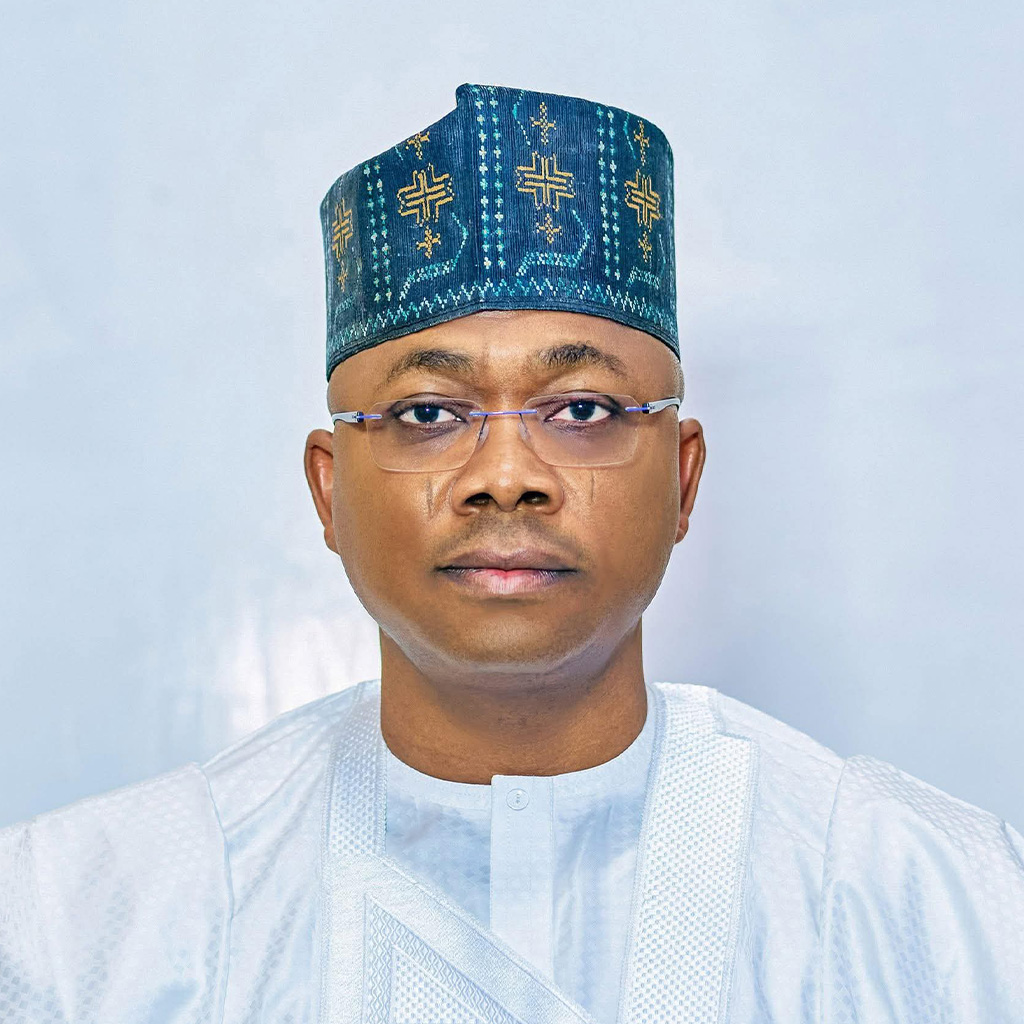
Kogi Governor Warns Youths Against Electoral Violence and Political Thuggery
Kogi State Governor Ahmed Usman Ododo has warned youths against electoral violence and political thuggery, urging them to reject financial inducements, resist political manipulation and pursue productive opportunities, stressing that no political ambition is worth the loss of human life.