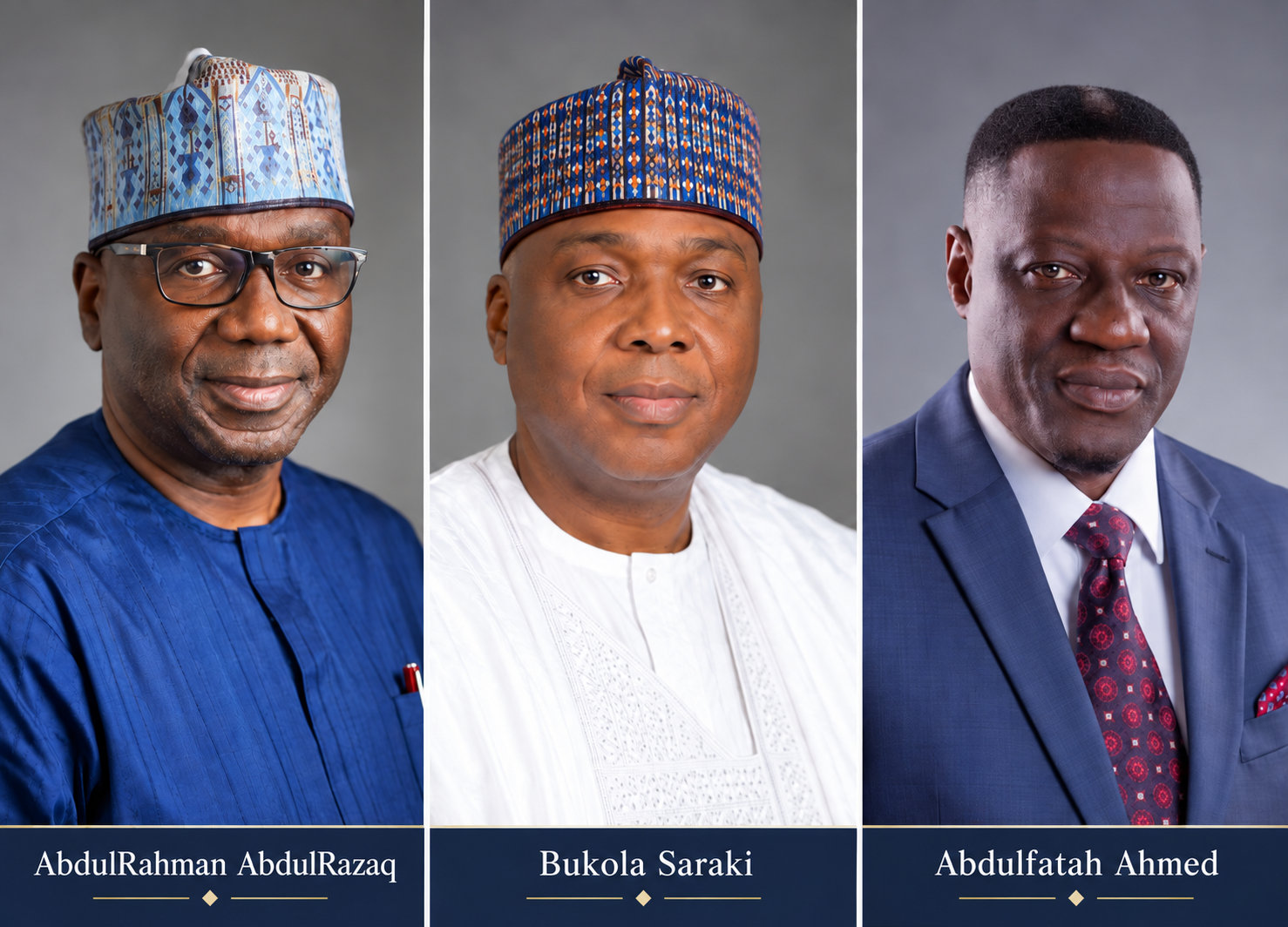
Barely two days ago, I asked people from the southern part of Kwara State to identify tangible projects carried out across the seven local government areas of Kwara South during the administrations of former Governors Bukola Saraki and Abdulfatah Ahmed. Following that question, I conducted my own independent research to examine the available records of projects and interventions carried out in the region under the administrations of Bukola Saraki, Abdulfatah Ahmed, and the incumbent Governor, AbdulRahman AbdulRazaq.
The full report is quite extensive and, knowing that many readers may prefer something shorter and easier to digest, I have decided to share a simple summary of my findings.
From the records I reviewed, the administration of former Governor Abdulfatah Ahmed had a particularly extensive spread of documented projects across the seven LGAs of Kwara South. Contemporary reports referenced more than 200 projects covering roads, primary healthcare centres, schools, rural electrification, markets, hospital projects, and major institutional initiatives such as the International Vocational, Technical and Entrepreneurship College (IVTEC) and the development of KWASU Osi. Based on the records available to me, his administration recorded a substantial concentration of projects across communities in the region.
The current administration of Governor AbdulRahman AbdulRazaq, whose tenure runs until May 29, 2027, has also undertaken significant projects in Kwara South. These include major road projects, with the government reporting about 100 kilometres of roads within the zone, as well as the completion or continuation of major projects such as KWASU Osi. Other interventions include upgrades to hospitals, improvements to the Omu-Aran water system, and the construction or upgrading of facilities such as sporting infrastructure, colleges, and an agro hub. A notable feature of the current administration is the scale and quality of several of its infrastructure projects, including projects being implemented in collaboration with the Federal Government.
The administration of former Governor Bukola Saraki also made important contributions to Kwara South. These include foundational institutional projects such as the nursing college at Oke-Ode, while communities in the region also benefited from a number of statewide programmes and policies implemented during his tenure. However, many of the administration's most prominent projects were located outside the seven LGAs of Kwara South, and the project records I found within the zone were less extensive than those available for the other two administrations.
In summary, the records I reviewed indicate substantial but different development footprints under the three administrations. The Abdulfatah Ahmed administration has a particularly large number of individually documented projects spread across Kwara South, while the AbdulRazaq administration has undertaken significant recent investments in roads, institutions, public facilities, water infrastructure, and other major projects. The Saraki administration also contributed to the development of the region, particularly through institutional and statewide initiatives, although fewer individual projects within the seven LGAs appeared in the records I examined.
These findings are based on the records and information available to me at the time of this research and should be understood within that context. The complete report contains considerably more detail, including the projects identified under each administration, but I have presented this shorter version for easier reading. The full report can be made available on request.
Related in Politics
Saheed Popoola: a proven servant ready to deliver for Kwara South
Council chairman, commissioner and two-term lawmaker, Prince Saheed Popoola has served Offa and Kwara State at every level of government. Now the PDP’s consensus candidate for Kwara South, he brings a lifelong commitment to the grassroots, a pioneering voice for local government autonomy and the experience to deliver from day one in the Senate.

Youth Group Launches Initiative to Train 300,000 Volunteers Against Electoral Violence Ahead of 2027 Polls
The original report identifies both Blessing Oyefeso and Aminu Shagari as chairmen of the YEGO National Stakeholders Steering Committee. Their respective designations should be verified before publication. The original also attributes statements to Dickson Akor through two different representatives; those attributions have been retained pending confirmation.
Kogi Governor Warns Youths Against Electoral Violence and Political Thuggery
Kogi State Governor Ahmed Usman Ododo has warned youths against electoral violence and political thuggery, urging them to reject financial inducements, resist political manipulation and pursue productive opportunities, stressing that no political ambition is worth the loss of human life.