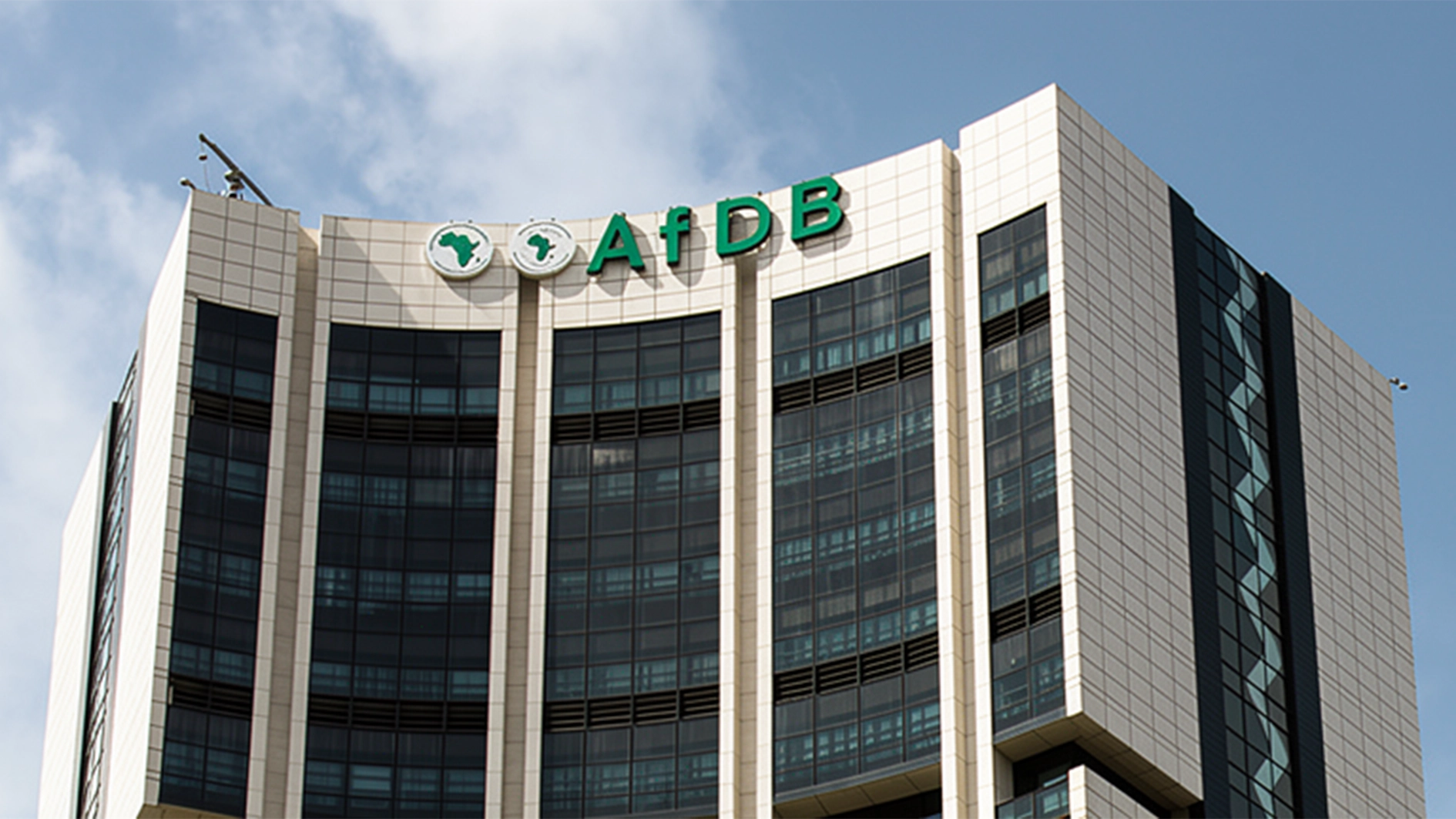
Nigeria and the African Development Bank (AfDB) have agreed to undertake a comprehensive review of the bank's $5.1 billion project portfolio in the country, as both parties seek to strengthen development cooperation, accelerate project implementation and expand access to investment financing.
The agreement was reached during a meeting between Nigeria's Minister of Finance and Coordinating Minister of the Economy, Taiwo Oyedele, and AfDB President, Dr Sidi Ould Tah, on Monday in Bangkok, Thailand.
The discussions took place on the sidelines of the 2026 Annual Meetings of the International Monetary Fund (IMF) and World Bank Group.
Nigeria and the AfDB currently maintain an active portfolio valued at approximately $5.1 billion, comprising 52 public and private sector operations. The portfolio is the bank's largest in any African country, reflecting the scale of its development financing activities in Nigeria.
During the meeting, Oyedele reaffirmed Nigeria's commitment to maintaining its position as the AfDB's largest shareholder and fulfilling its capital subscription obligations.
He emphasised the importance of translating the longstanding relationship between Nigeria and the continental financial institution into increased development financing, improved infrastructure and measurable economic benefits.
The minister also expressed Nigeria's support for the AfDB's Four Cardinal Points agenda under the leadership of Ould Tah.
The development framework focuses on bridging Africa's financing gap, strengthening financial sovereignty, harnessing the continent's demographic potential and building resilient infrastructure through the local processing and transformation of natural resources.
Oyedele said the priorities were closely aligned with Nigeria's economic development objectives, particularly efforts to strengthen domestic productivity, improve infrastructure and attract sustainable investment.
Portfolio Review to Accelerate Project Delivery
A central outcome of the discussions was the agreement to review the AfDB's existing operations in Nigeria to identify implementation challenges and improve project delivery.
The proposed assessment will examine ongoing projects, address obstacles affecting their execution and ensure closer alignment with the Federal Government's development priorities.
Both parties acknowledged the importance of improving coordination and ensuring that development financing delivers practical benefits to businesses, communities and the wider economy.
The review is expected to provide an opportunity to evaluate project performance, identify areas requiring intervention and strengthen the implementation of programmes supported by the bank.
The discussions also covered a planned visit by the AfDB president to Nigeria, during which he is expected to meet President Bola Tinubu, senior government officials and other key stakeholders.
The proposed engagements are intended to deepen strategic cooperation, assess investment opportunities and advance discussions on Nigeria's development priorities.
Concerns Over High Borrowing Costs and Credit Ratings
The meeting also addressed the high cost of borrowing faced by African countries, particularly the influence of international sovereign credit ratings on access to financing.
Oyedele expressed concern that credit assessments did not always adequately reflect improvements in economic fundamentals or the progress achieved through government reforms.
He argued that such assessments could contribute to higher borrowing costs for countries, including Nigeria, even where economic reforms had strengthened fiscal management and investment conditions.
According to the minister, more accurate consideration of economic indicators and reform outcomes would help African governments access international capital on more favourable terms.
In response, Ould Tah disclosed that the AfDB was developing a facility to provide African governments with technical and analytical assistance when engaging international credit rating agencies.
The proposed initiative is intended to help countries present credible economic data, strengthen their engagement with rating institutions and challenge assessments where appropriate.
The facility could also support improvements in the presentation and interpretation of economic information used to assess sovereign borrowing risks.
The discussions highlighted the importance of addressing structural financing challenges that continue to affect African economies and limit their ability to fund critical development projects.
Financial Integration and Private Investment
Beyond the project portfolio review, both officials examined opportunities to deepen financial integration across Africa and strengthen mechanisms for attracting investment.
The discussions covered local currency transactions, trade insurance and credit enhancement instruments designed to reduce investment risks and encourage private capital flows.
These financial mechanisms are intended to improve access to funding, support cross-border economic activities and reduce some of the risks associated with major investment projects.
Both parties also considered the role of stronger African financial institutions and regional cooperation in addressing the continent's development financing requirements.
The issues discussed reflect wider efforts to strengthen Africa's financial independence and improve access to resources needed for infrastructure, industrial development and economic diversification.
Strengthening Africa's Human Capital
The Nigerian government and the AfDB also emphasised the importance of retaining skilled professionals within Africa.
Both sides acknowledged that the continent's ability to achieve sustainable development would depend partly on its capacity to develop, attract and retain the expertise required to support economic transformation.
The discussions recognised the contribution of human capital to technological advancement, institutional development and the effective implementation of major infrastructure and investment programmes.
The meeting reinforced the importance of cooperation between Nigeria and the AfDB in addressing development challenges and creating conditions for sustained economic growth.
With Nigeria maintaining the bank's largest country portfolio in Africa, the proposed review is expected to strengthen oversight of ongoing operations and provide a framework for improving project implementation.
The renewed engagement also highlights the shared interest of both parties in expanding development financing, reducing investment barriers and supporting economic opportunities through closer institutional cooperation.
The planned consultations between AfDB leadership and Nigerian government officials are expected to further define priorities for the partnership and identify opportunities to enhance the impact of the bank's investments in the country.
Related in Economy
World Bank Group to Mobilise $5.79bn in Private Investment for Nigeria in 2026
The World Bank Group plans to mobilise up to $5.79 billion in private investment for Nigeria in 2026, targeting digital infrastructure, agriculture, telecommunications, and small businesses to expand employment, strengthen productivity, and support sustainable economic growth.
IMF Urges Nigeria to Strengthen Cash Transfers Amid Rising Food and Energy Prices
The International Monetary Fund (IMF) has urged Nigeria to expand targeted cash transfers to vulnerable households amid rising food and energy prices, while calling for stronger fiscal management, improved revenue collection and policies to safeguard economic stability.

Mastercard Calls for Stronger Cybersecurity to Protect Africa’s Digital Economy
Mastercard has warned that rising cyberattacks and a shortage of cybersecurity professionals threaten Africa’s growing digital economy, calling for stronger security infrastructure, workforce training, and cross-border collaboration to protect digital financial services.